A Global Hub for the Circular Economy
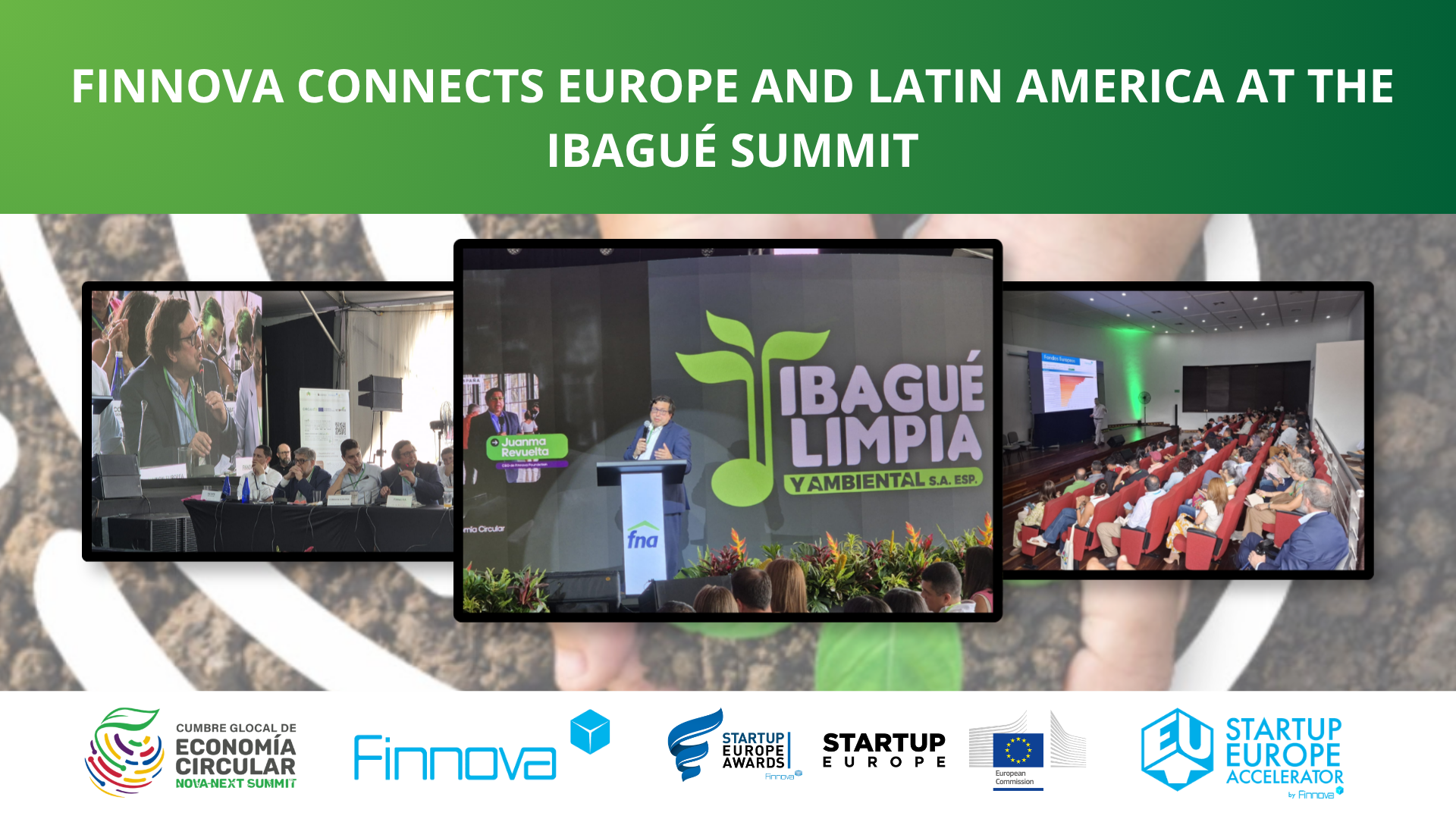
· The Glocal NOVA-NEXT Summit brought together more than 1,200 international leaders, consolidating the city as a living laboratory for innovation
· The event delivered historic milestones: the Circulab Hub, the future Eco-Circular Free Trade Zone, innovation challenges for startups, and the Decalogue presented to the OECD
· Two major intercontinental alliances were launched: the Network of Local Authorities and the E-Waste Network
Ibagué, Colombia, 29 May 2026. For three days, Ibagué became the leading venue for multi-stakeholder dialogue, where experiences, innovative solutions, and practical strategies were shared to accelerate the transition towards a circular economy in Latin America and beyond. The NOVA-NEXT Global Circular Economy Summit, which gathered more than 1,200 leaders, concluded with significant achievements that further establish the capital of Tolima as an international benchmark for innovation, sustainability, and territorial transformation, attracting the attention of European Union institutions and municipal federations from around the world.
Infrastructure and Governance Milestones (OECD and Eco-Circular Free Trade Zone)
One of the most significant achievements of the summit was the organisation of the first OECD roundtable in Latin America dedicated specifically to the circular economy. The indicators and conclusions emerging from this discussion will help shape the regional roadmap and are expected to be integrated into the OECD Water Governance Programme.
In terms of infrastructure and investment, Ibagué is not only designing the future—it is building it. During the event, the Circulab Hub was officially inaugurated as the first experimental Circular Economy Living Lab in Colombia and Latin America. This pioneering space will serve as an incubator, accelerator, and rapid prototyping centre to validate circular-design Minimum Viable Products (MVPs).
In addition, plans were unveiled for the creation of the first Eco-Circular Free Trade Zone in the Americas, an ambitious initiative aimed at attracting green businesses and generating thousands of projected jobs.
Innovation Challenges for Startups
With the goal of mobilising entrepreneurial ecosystems across Europe and Latin America, the summit officially launched a series of Innovation Challenges focused on three urgent priority areas: innovation in wastewater and sludge management, innovative organic waste management (including the HORECA sector and supermarkets), and the development of sustainable construction materials based on bulky waste and plastics.
Launch of Pioneering Ibero-American Networks
To institutionalise long-term intercontinental cooperation, the Summit served as the founding platform for two key collaborative networks:
· Ibero-American Network of Local Authorities for the Circular Economy: A strategic platform designed to promote technical cooperation, the exchange of best practices, and the development of joint projects among territories across the region.
· Ibero-American Network of Integrated Electronic Waste Systems: An initiative created to address the growing e-waste challenge, as electronic waste generation in Latin America has increased by nearly 50% in less than a decade. The network will promote shared regulatory frameworks and advanced recycling infrastructure to recover valuable materials and foster circular resource management.
Connecting Local Action with Global Impact
The Glocal Circular Economy Summit exceeded initial expectations, successfully connecting local action with global opportunities while laying the foundations for meaningful transformation. Ibagué has demonstrated that economic growth can—and must—be sustainable, leading the way from local action to global impact.